✓ Free ⭐ Premium
The household is the fundamental building block of the Church Admin directory. Before you start adding people, it’s worth understanding what a household is and how it shapes the way your data is organised.
What is a household?
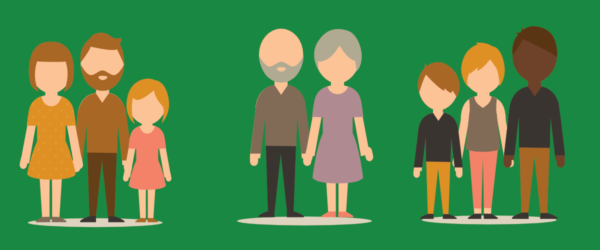
A household is a group of people who share the same address. Every person in the directory belongs to a household — even if they live alone, in which case they are simply a household of one.
Households are flexible and reflect the variety of living situations in a real congregation. A household could be:
- A family with parents and children all sharing the same surname
- A married couple where each partner has kept their own last name
- A single adult living alone
- A group of young adults sharing a house — who would be separate households if they want their own records, or one household if that suits
- Two families at the same address — for example a granny flat situation — each recorded as their own separate household
Members of a household don’t all need to share the same surname, and there can be more than one household registered at a single address.
Why does Church Admin use households?
Organising people by household rather than purely as individuals reflects how churches actually relate to people — you visit a family, you send a Christmas card to an address, you invite a couple. It also keeps the data tidy:
- Address is stored once on the household, not repeated for every individual — so when a family moves house you update one record, not four
- Mailing labels and letters are addressed to the household rather than generating a separate envelope for every family member
- The people map plots households as pins, giving a clear picture of where your congregation lives without duplicating nearby markers for the same address
- Giving records can be viewed at both the individual and household level
Households and individuals
Within a household, each person has their own individual record with their own name, date of birth, email address, phone number, member type, and any other personal details. Shared information — address, home phone number, and household-level notes — sits on the household record itself.
One person in the household is designated the primary contact. This is the person Church Admin will use as the main point of contact for the household when sending letters or labels addressed to the family as a whole.
A common question — one household or two?
If you’re unsure whether to put people in one household or two, the simple test is: do they share a front door? If yes, one household is usually right. If they have genuinely separate living arrangements that happen to share a building — a granny flat, a rental in the same house — separate households makes more sense.